The Threads We Share
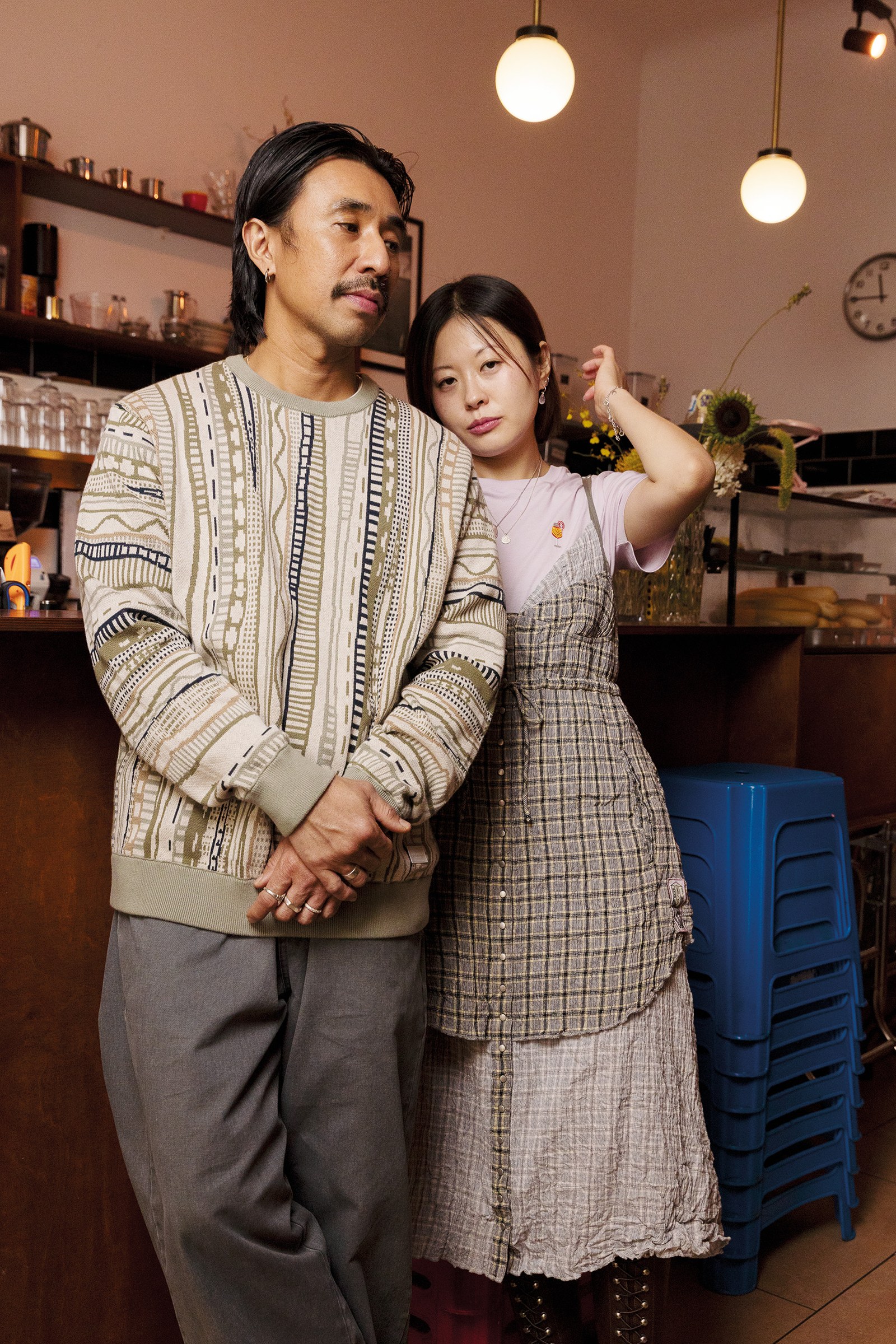
Features Editor Janice Faith sat down with four Berlin-based creatives whose unique projects and passions are shaping the cultural identity of a city that’s forever changing. A collaboration with Kreuzberg streetwear brand IRIEDAILY and DADDY’s production team, captured Prince M.I.K. Ofori, Pia Ahmed, Hansl Chang and Raymond Pham, as they shared stories of building community, colourful careers, and creating spaces of belonging.
As I look out the window of the tastefully furnished cafe that used to be the neighbourhood bakery just a year or so ago, I am once again reminded that Berlin is a city of change. Leaves sway gently onto the ground next to the election posters I’ve grown so tired of seeing these past few weeks. The city is hopeful because we’ll soon have a new mayor, one who promises to make things better/different... “like they used to be.” I’ve lived here for less than a decade, but I’ve seen this place change and grow alongside myself, inextricably weaving my youth into its rugged pavements and grey skies. Like so many people I’ve spoken to, I have a complicated relationship with Berlin. One where it feels like home, so unlike any other place, yet at the same time you always want to leave. And as soon as you do leave, you think about everything you’re missing out on, and the people you miss. It’s them who make this city so special that travellers from the other side of the world decide to move here after visiting just once.
Building And Rebuilding CommunityPrince M.I.K. Ofori
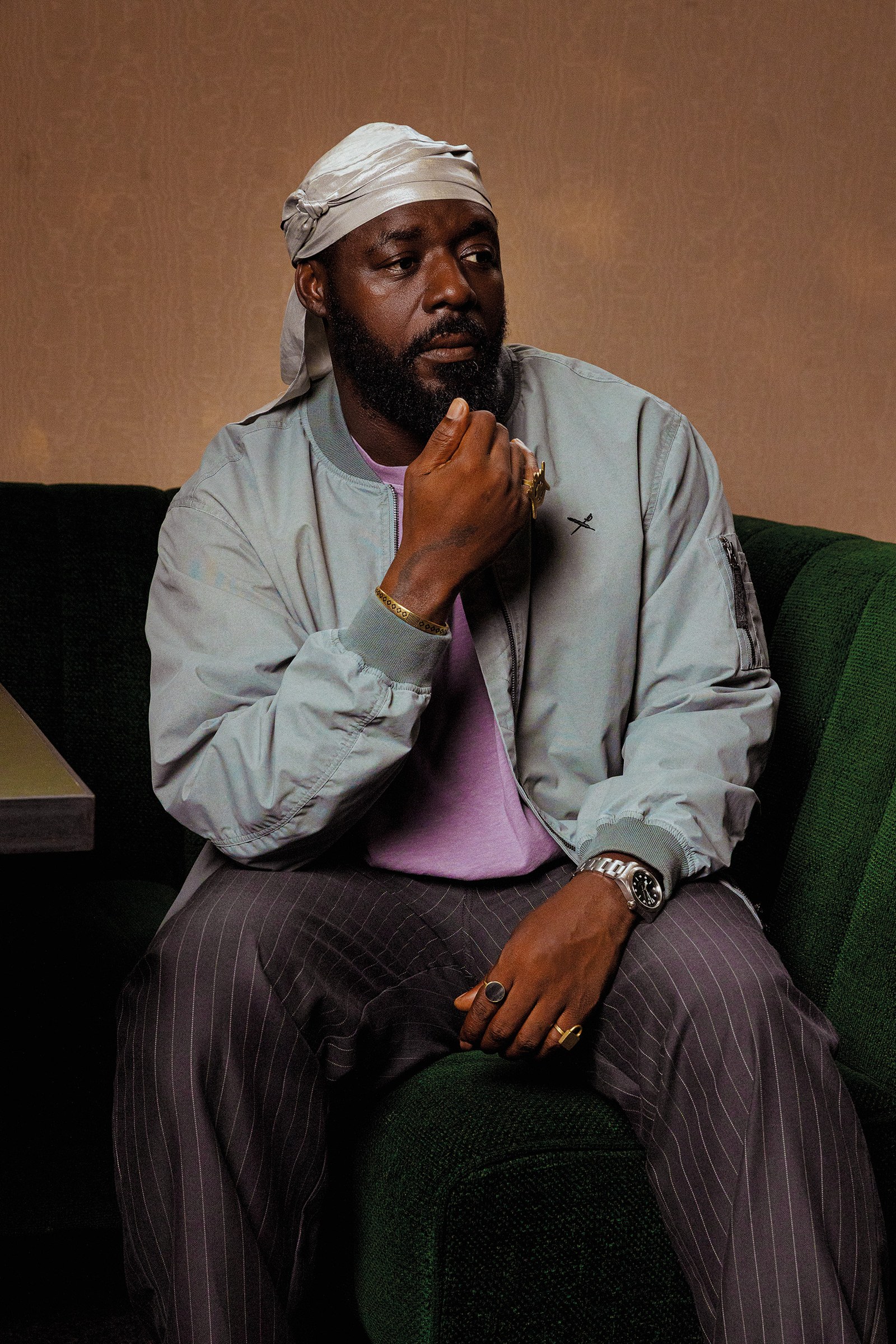
Prince M.I.K. Ofori is a dancer, youth worker, community organiser and event curator, whose work centres on postcolonial and power-critical perspectives. Prince views dance, movement and music not simply as forms of artistic expression, but as tools for self-empowerment, reflection and social change.
How has Berlin shaped your work and the communities you’ve helped build?
When I came to Berlin, I was a fourteen-year-old boy from Ghana who wanted to be seen and heard. I moved through many youth centres, learning, dancing and later teaching. It didn’t take me long to realise that Berlin is a tough place. I’ve been threatened, attacked and discriminated against many times. So I learned to stand up for myself, my people and our spaces. In 2021, I was racially insulted at a grocery store, a case that got a lot of media attention. These kinds of experiences led me to build much of my work around them. I wanted to make Black people more visible and create spaces where we didn’t have to constantly explain and defend ourselves. But being a father of two, an ex-husband, an artist and activist, all at once, always comes with lots of compromise. While I was trying to build spaces for others, I kept losing parts of myself. I had to let go of the belief that you’ll be met with love and understanding as long as you do the “right thing”. But still, I’ll never stop using my voice for what matters.
“Berlin gave and taught me so much. Berlin hurt me. Berlin made me strong. Berlin took a lot from me. Berlin, Berlin.”
– Prince M.I.K Ofori
How did you get into dance?
Dance has always been a big part of my family. My mother, she was a strong dancer and passed that on to my brothers and me, urging us to express ourselves through movement. I really learned to dance in Berlin’s youth centres – through various instructors, but also through a lot of training of my own. Krump had a particularly strong influence on me, while hip-hop has always been an important part of my journey.
Later, my brothers and I became finalists on Got to Dance Germany. I then had the opportunity to work as a dancer at various theatres for many years, toured with musicians Seeed and Peter Fox, and worked as Creative Director for the NFL Halftime Show in Germany. After more than 20 years of dance, DJing then felt like a natural progression for me, mainly playing Afrobeats, hip-hop and dancehall. Together with my brothers and the M.I.K Family, which we founded in 2006, I now also produce our own music. Dance gave me a voice. It is a form of expression – release. That is exactly the power I want to pass on to young Black people through RIZE.
Could you share more about your community project RIZE?
RIZE Empowerment started with the idea of never giving up. Respect. Inspiration. Zusammenhalt. Empowerment. The RIZE Empowerment Project is dedicated to anti-racist youth cultural work through Black dance cultures. Through regular classes and workshops in Berlin, international exchanges and a larger festival, we create spaces where young Black people are seen, supported in their artistic development, and empowered. It is particularly important to me that the project is designed and managed by Black people ourselves.
What has changed most since you first started moving as a community organiser?
In the beginning, people were super excited to work on projects together that created visibility. But at one point, that question of visibility shifted to: who is doing what? And who’s earning the praise? What I learned is that community work is not about recognition or praise but about making decisions that align with your values.
I didn’t have many role models in life, so while I took on that role for others, I was still growing up myself and learning how to handle difficult situations and emotions. It felt like people were waiting for me to make mistakes, but I never claimed to be perfect. Through time and experience, I got to know the complexities of leading collectives and gained clarity on how to fulfil my role.
Did becoming a father change your outlook on the world?
Even before becoming a father, I was already picturing how it would be. I wanted to spend a lot of time with my children and teach them everything I know about life. But at some point financial pressure got to me, and I became obsessed with work so I could give my children everything they needed. When I look back on this now, I know that it’s not about the next job or project, but it’s about being present. Of course, this comes from a position of privilege, but if you’re able to provide for everyone’s basic needs, then time, attention, and care are what your children really need. I want my children to be able to look back at their childhood and say: Dad was there.
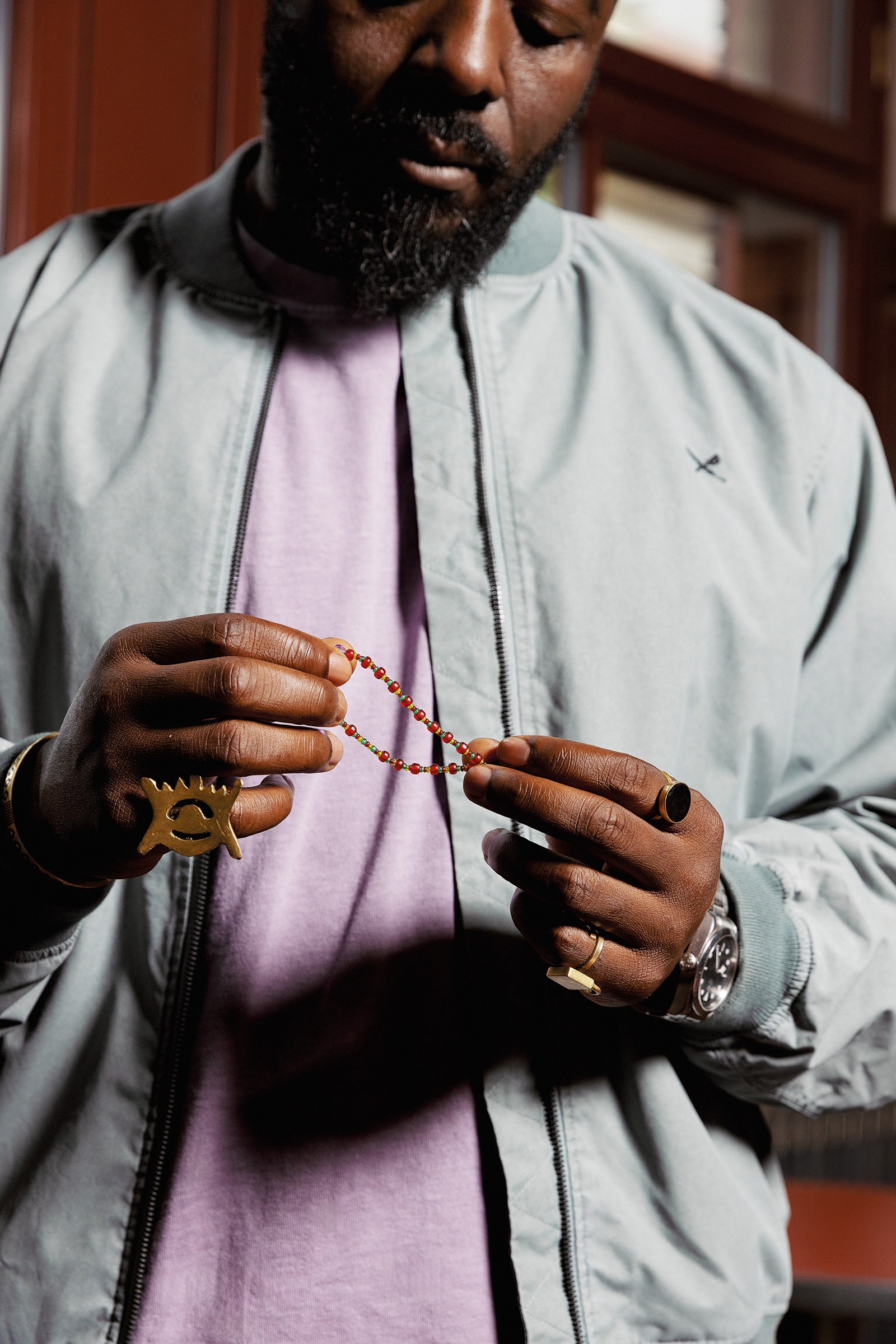
This bracelet, actually, my children made for me about a year ago when there were a lot of changes happening within our family. Whenever I’m struggling or doubting myself, I touch this bracelet because it reminds me to never give up and always keep going.
Who inspires you, and any gems for the next generations?
I’m inspired by artists, social workers, people who try to make this world a better place for everyone. Every day they get up and keep going. My younger brothers, my colleagues, my friends… regardless of the difficult things they’ve been through. Family too means so much more to me than being tied by blood. Ghana is family. Berlin is family. The streets of Neukölln are family. It’s all inspiration.
In hip hop we say: “Respect the old, teach the young.” I hope that the next generation continues to learn to support and love one another even if we don’t always share the same opinion. We need to know our ancestors’ stories, from as far as our continent of Africa, so that we can work on our collective trauma and continue to grow. The more we learn to love ourselves, the more love we can give to others. Know your worth in all aspects of life.
Bridging Worlds Across Time And SpacePia Ahmed
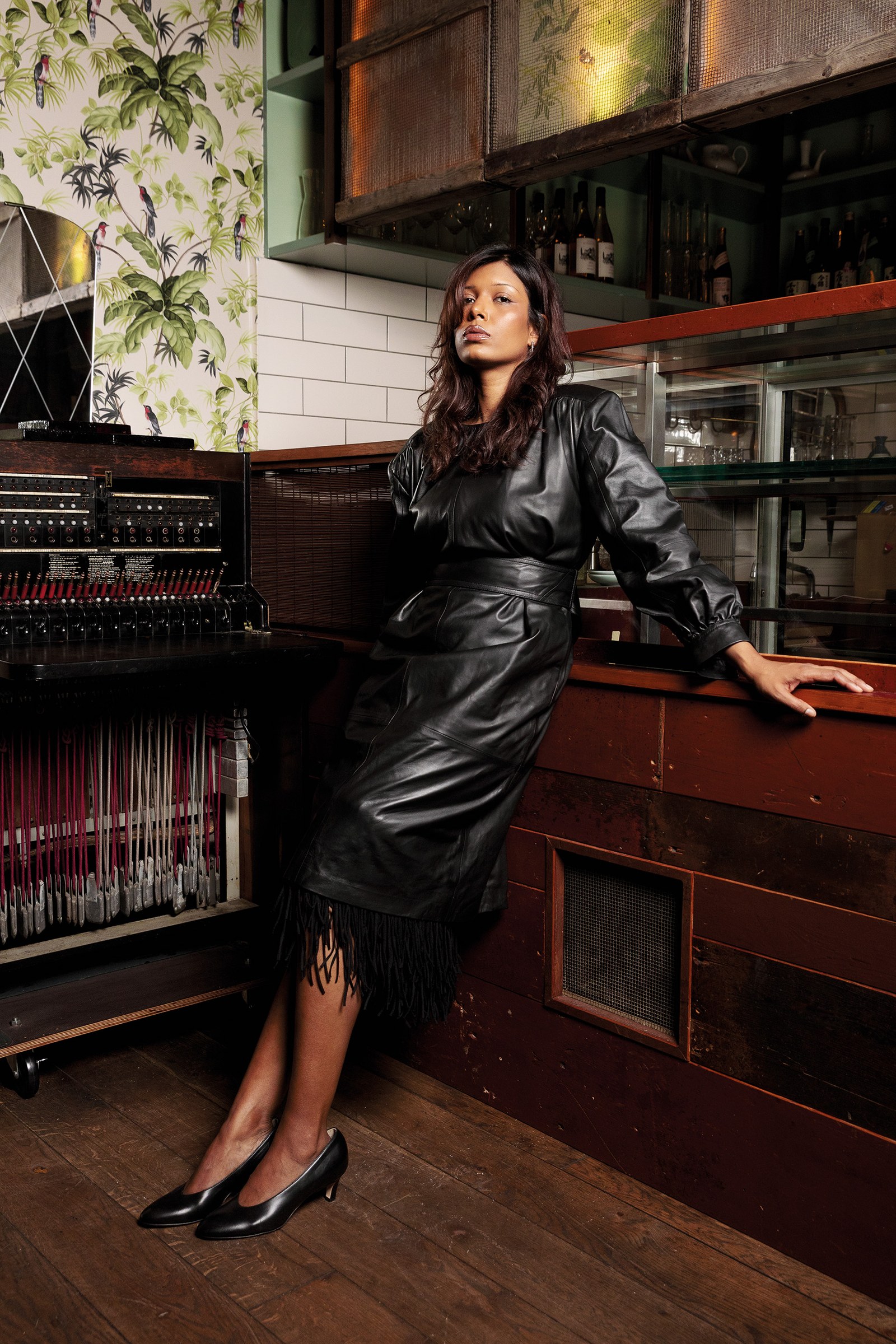
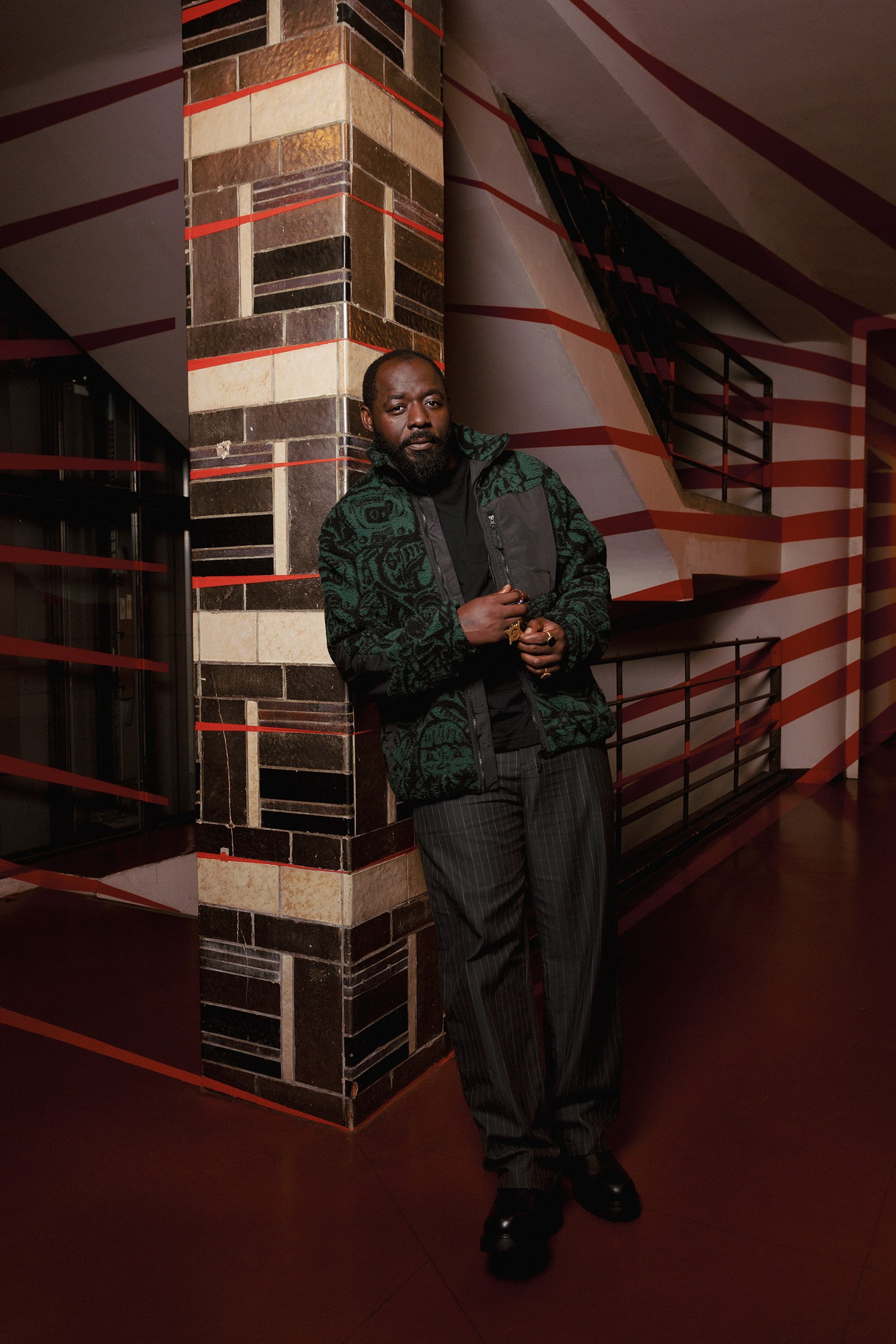
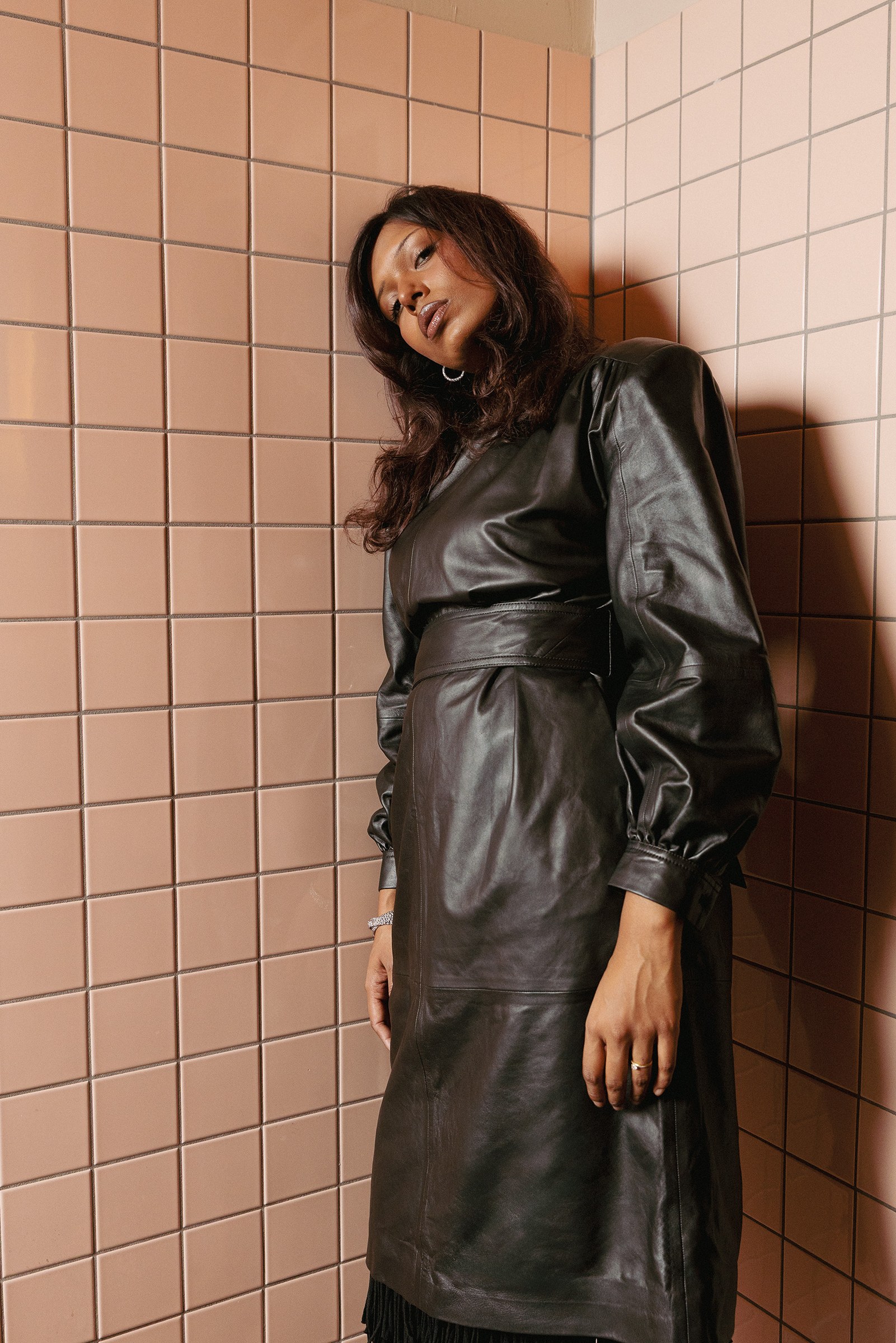
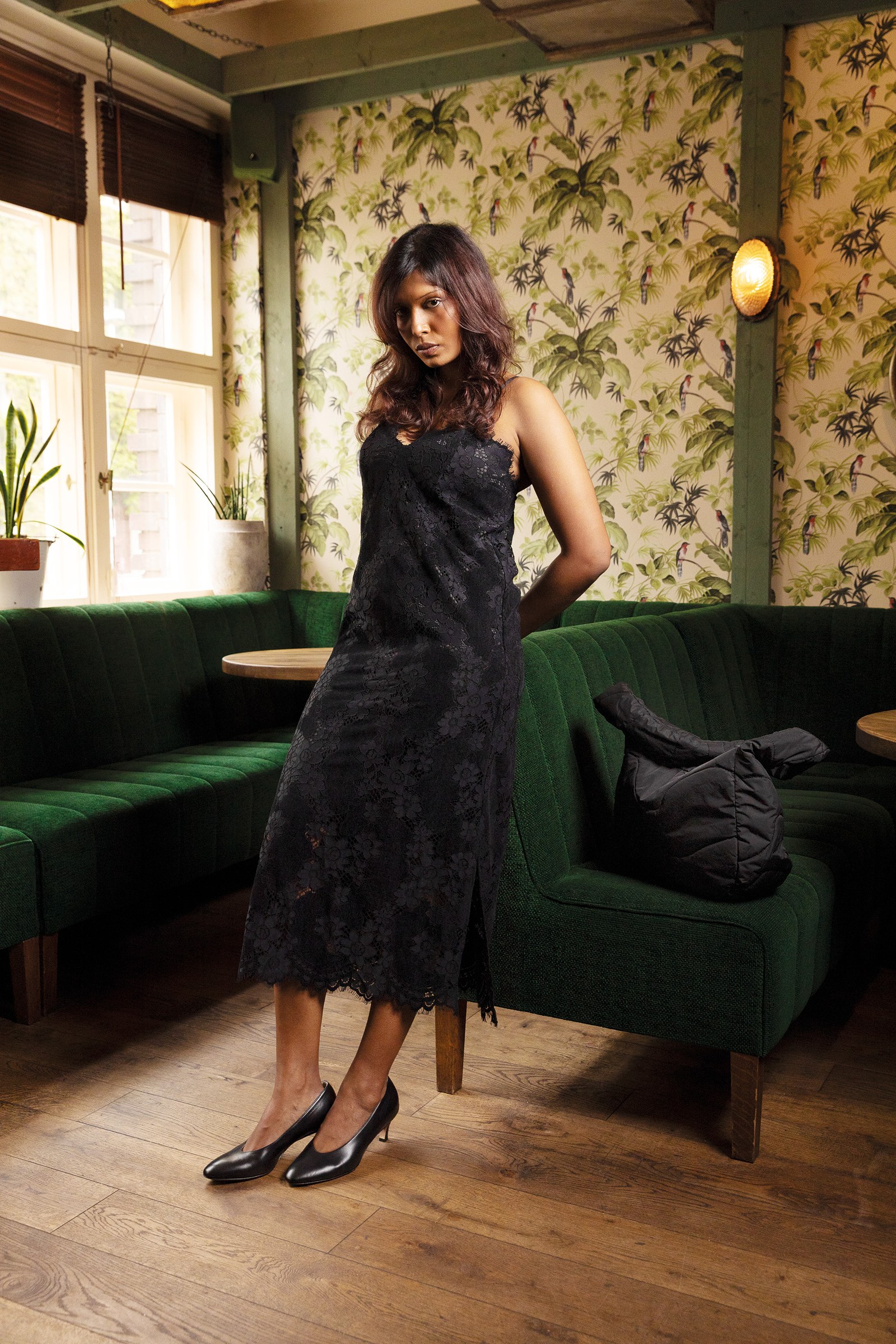
Pia Ahmed is a model, creative, and founder of the jewellery line PIAH and the co-founder of SEPIA, a Berlin-based platform and creative outlet for the South Asian diaspora. Born in Germany with Bangladeshi roots, Pia is passionate about changing perceptions of South Asians in Germany and beyond.
What does it mean to build a creative career in Berlin? What are the advantages or challenges?
Growing up in an immigrant family, creative work wasn’t seen as something serious or stable, which is why it took me a really long time to consider it a realistic path for myself. After following a more traditional route of academia followed by a 9-to-5 job, I realised that I wanted to build something more creative on my own terms. This experience still shapes how I see Berlin’s creative scene today. There’s a certain freedom to experiment, change direction, and create your own narrative. Unfortunately, rising living costs make it more difficult to maintain this kind of experimental creative life. With my jewellery line PIAH, I’m also learning that beyond creating, you have to deal with production, suppliers, logistics and the infamous German bureaucracy and tax system. On top of that, I do feel like the creative scene is still shaped and dominated by the same groups of people even though there’s much more potential for genuine collaboration.
How has Berlin influenced your visual language and the way you work?
Berlin has given me the freedom to bring different worlds together without feeling like I have to choose one. Being surrounded by so many different communities and perspectives has made me think of identity as something fluid rather than fixed. This translates seamlessly into PIAH, which aims to filter South Asian references through my personal reality and aesthetic. Polished and raw. Heritage and contemporary identity. Femininity and gender-neutrality. Berlin has taught me less about what something should look like and more about allowing different references and identities to exist next to each other.
Can you tell us more about your work with the South Asian community here in Berlin? How did you build up SEPIA and what are you envisioning for its future?
Yashvi Sheth and I founded SEPIA together as a way to connect and create visibility for South Asian diaspora creatives in Berlin. We realised how little representation there was in the creative and subcultural spaces we were part of. For many individuals raised in immigrant families, stability, education and traditional career paths are very much encouraged by the previous generations. But our generation is in a unique position that lets us ask questions around cultural identity and creative expression. With SEPIA, we wanted to create our own spaces and bring people together through community dinners, collaborations and projects around fashion. SEPIA has naturally evolved from centring visibility to something more cultural and community-driven. To me, it’s important that it becomes a generic diversity platform but stays connected to the people it was created for.
You’re launching PIAH, your own jewellery brand. What do you connect to jewellery, and why did you decide to create your own?
Jewellery has never been just an accessory to me. In South Asian and Bangladeshi culture, it’s connected to family, tradition, celebration, femininity and memory. At the same time, my taste has been equally shaped by Western fashion, 90s culture and contemporary design. I’ve never seen these two sides of myself represented in one jewellery brand in a way that felt natural to me and could be worn by everyone. I created PIAH because I’m interested in what happens to cultural references when they travel through generations, countries and different influences. I want to show that heritage can be minimal, bold, sexy, gender-inclusive and fashion-driven, so I’ve created these timeless signet rings, hoops and bangles for the first collection. In a way, PIAH picks up on many of the questions I’ve already explored through SEPIA: identity, culture, fashion and visibility. Which parts of Berlin’s creative culture feel worth carrying forward – and what needs to change?
What I like most about Berlin’s creative culture is its DIY mentality. You don’t need permission or institutional approval to start something, but have the freedom to experiment with identity, work and aesthetics, and create your own spaces. Through the city’s international character and mixture of different cultural backgrounds, collaborations between completely different disciplines come into being. But “community” shouldn’t become an excuse for expecting people to work for free. We need to value creative labour meaningfully and pay people fairly. Because of this, Berlin’s creative scene stays openly accessible to those who can afford to work for very little money for a long time. I’d like to see more people from different socio-economic backgrounds as founders, creative directors, editors and decision-makers. And I don’t want brands and bigger institutions to only be interested in us once our aesthetics become culturally or commercially relevant. I don’t think we need to romanticise an old version of Berlin because it’ll always keep changing. The question is: who gets the resources, opportunities and space to shape its next version?
Finding And Creating Spaces of BelongingHansl Chang & Raymond Pham
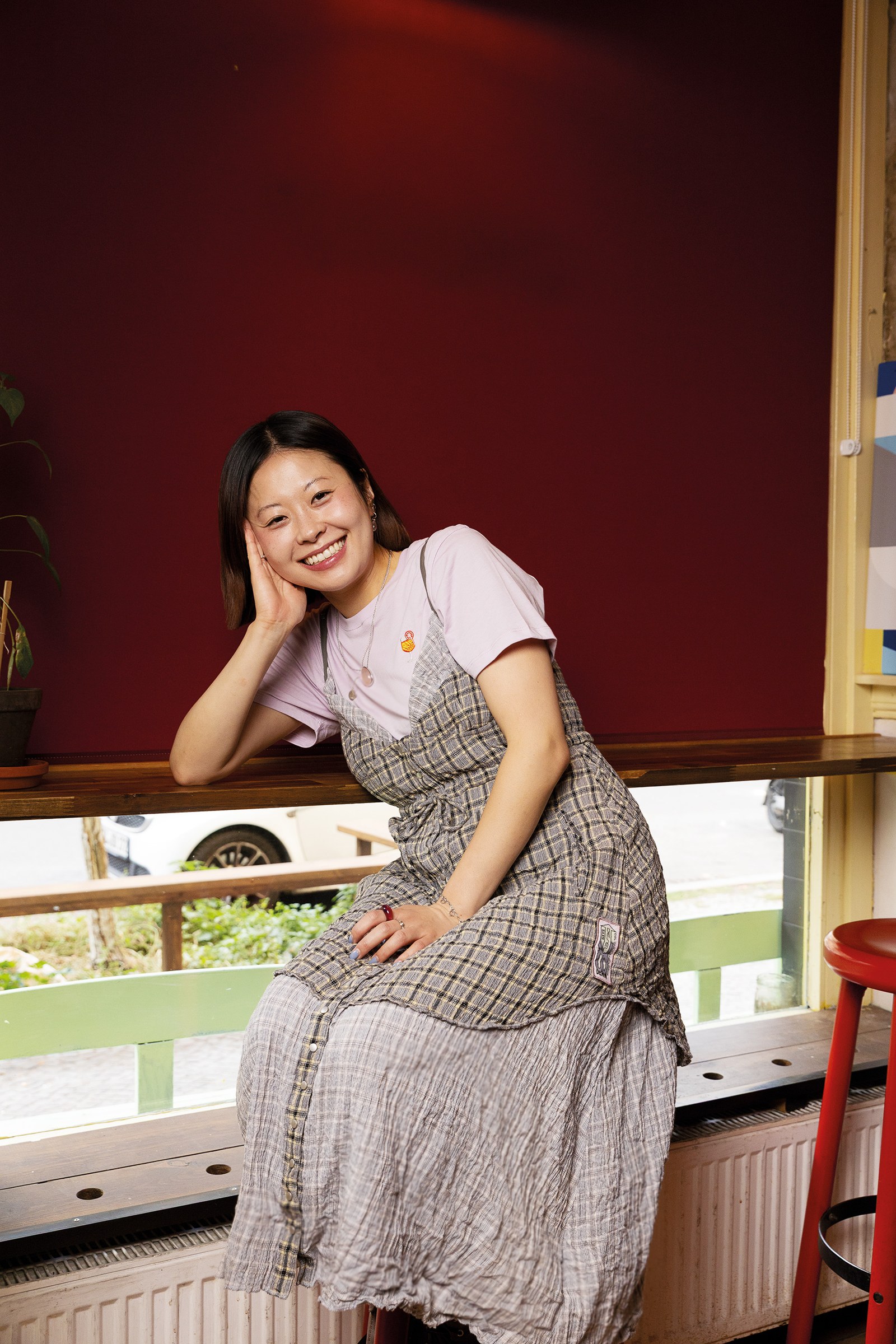
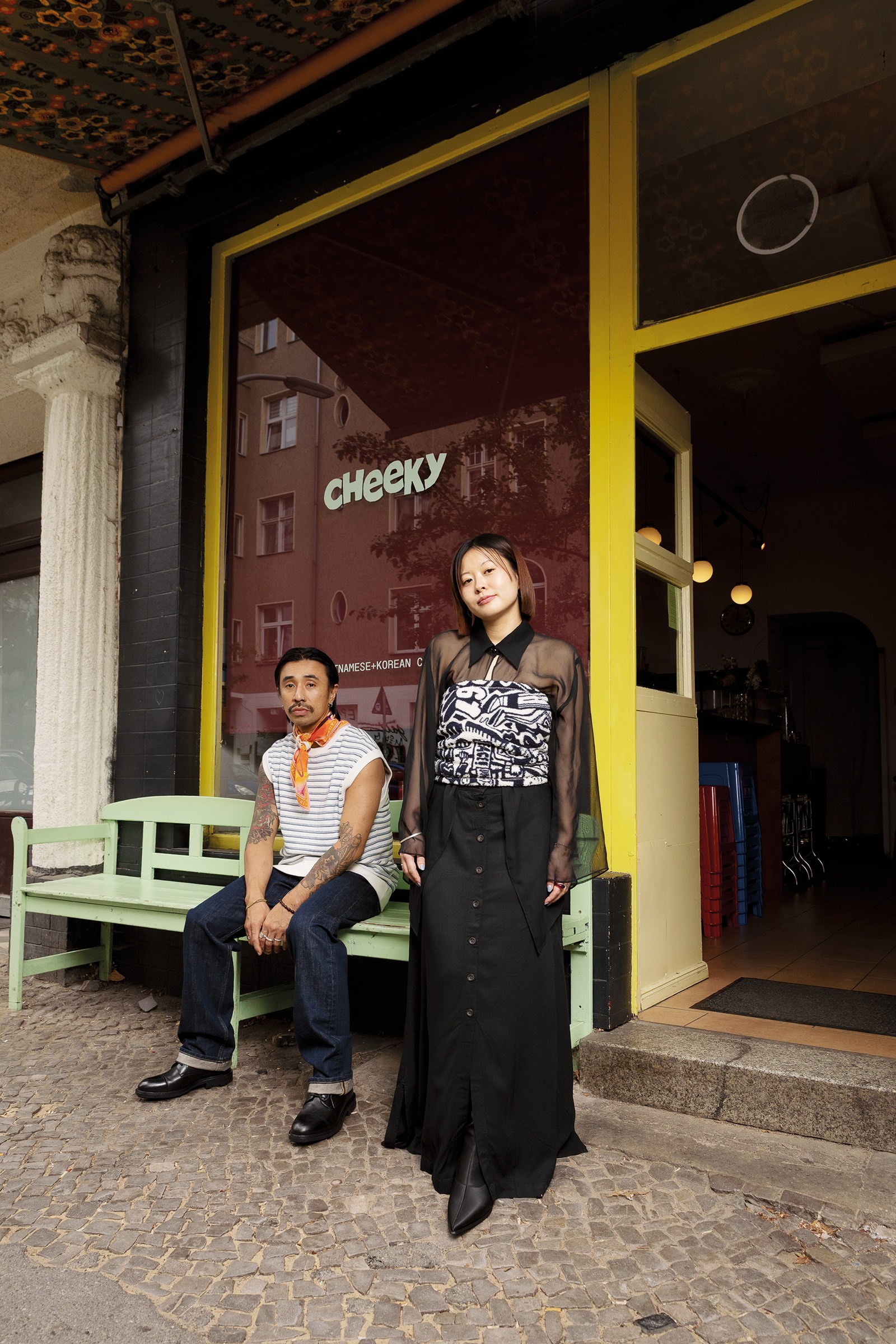
Meet Hansl Chang and Raymond Pham – founders of Cheeky, a Korean-Vietnamese neighbourhood café and snack bar in Berlin Neukölln. Started in 2025 as a love letter to their roots, Cheeky aims to be a warm, welcoming corner for the community – to gather, connect and experience a taste of home.
What does community mean to you? How did you find yours in Berlin?
Hansl: Community to me is extended family — people who support and care for each other, and who I can build something with. I moved to Berlin right before the pandemic, not knowing anyone. When the lockdown lifted, I went to a meetup organised by a Facebook group called "Women of Colour Berlin," and connected with people I could relate to on so many levels. Building community here was never easy, but between skating at Tempelhofer Feld, clubbing, bar-hopping, and showing up to different events, I slowly found my people.
Ray: Berlin was the first city I moved to after leaving Australia. No language, no culture, no one I knew, just an energy that pulled me in back in 2012. Fourteen years later, I'm still defining myself and building the community around me. Growing up, my community was mostly my family — a big household with aunts, uncles, and cousins all under one roof. That longing for freedom and space to explore is part of why I felt I had to move abroad. Berlin gave me a whole new community and friendships that feel like family far away from home.
How did you come up with the idea of starting a café together, and what did it take to turn that vision into reality?
We set out to create a spot where we could write our own story through the things we make and the people we connect with. It's the difference between being a guest in someone else's space and creating a place where every shared moment actually stays and builds over time. We haven't been open long, but every quick chat and personal story shared over the counter reminds us how lucky we are to do this.
What are the stories you preserve, pass on or tell through food?
Hansl: Cheeky sits somewhere between a café and a bar, a "cheeky" stop for good snacks and drinks. I love building the menu around Korean street food and snack culture, the kind of food I grew up eating, or things my mum used to pack for picnics like Gimbap or Misugaru. Nothing fancy, just something that brings back childhood nostalgia. I think the key is the story and warmth that comes through in the food.
Ray: Food has always played an important role in my family, and it’s my mom’s love language to me. It was only after I left Australia that I really understood this, and how much I missed a home-cooked meal. Our approach is to be simple and honest; we make food and drinks inspired by our roots, our family, our upbringing. Every time someone orders a bánh mì, or tries one of our drinks, it takes me back home for a fleeting moment.
What made you want to build something here rather than consume what already exists? And what do you hope the space you’ve created will make possible for the next generation?
Ultimately, we wanted to create a space to write and share our own stories through what we make, the people we meet, and the shared connections and experiences of others. When you're a guest in someone else's space, the stories that happen there stay theirs. When the space is yours, those stories and memories become part of it. We haven't been open for very long, but every conversation, every small story someone shares with us over the counter, adds up and fills us with real gratitude for being able to hold them.
In our very digital lives, it's easy to take for granted what it means to actually meet and talk to people in person. Through the everyday encounters at the café and the events we host, we hope for people to connect, make new friends, and remember how beautiful it is to be part of a community.
Could you tell us more about the items you brought and the significance they hold for each of you?
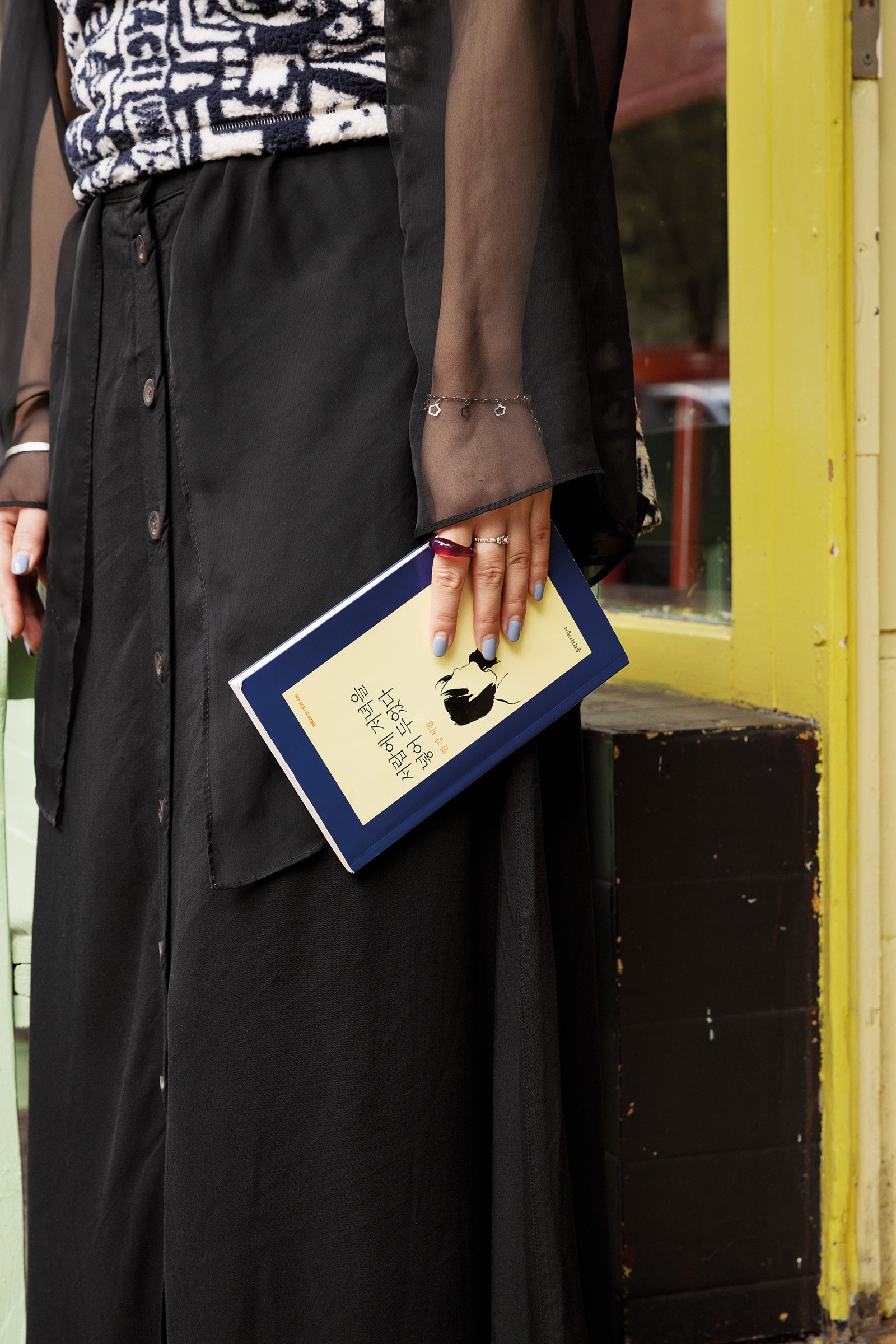
Hansl: I've chosen the poetry book, 서랍에 저녁을 넣어 두었다 (I Put Evening in the Drawer) (2013) by Han Kang. I love reading and writing in Korean, and it's something I've tried to bring to the café. We keep a small collection of books by Korean authors for people to read while they're here. This particular book was a gift from my best friend in Korea, who has since passed away. It reminds me of her, and of the things and people I left behind when I moved. Keeping it close and sharing it through the café feels like its own small way of carrying her memory.
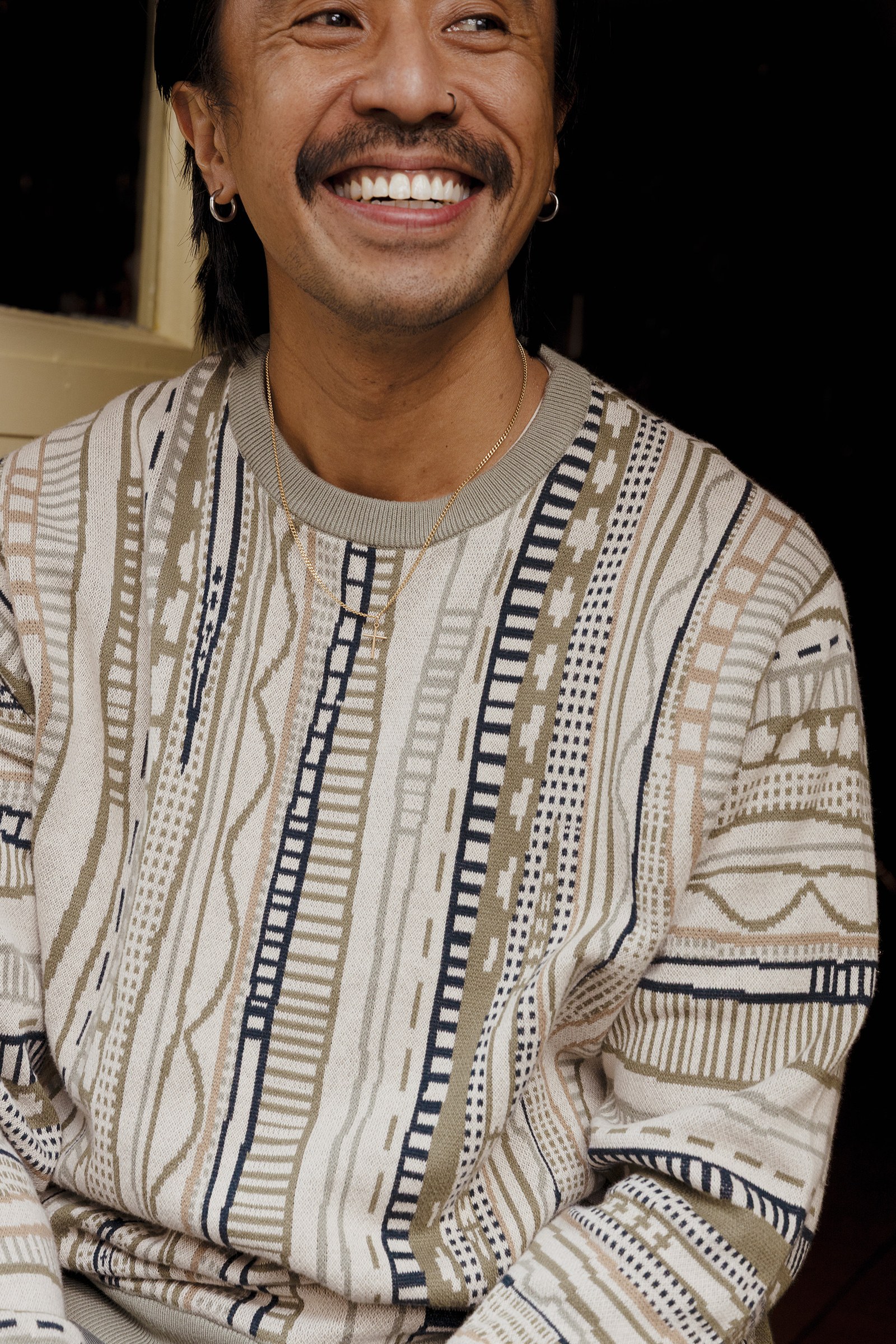
Ray: This is my mum's cross. She fled Saigon for Australia as a refugee in the late '70s, escaping persecution for her religious beliefs. I was raised Catholic, not by choice but by necessity. I resented my family for holding onto something with so many flaws so tightly. During a visit home after moving to Berlin, I overheard my mother praying in the middle of the night, praying simply that I would be happy. At that moment, I understood that religion means something different to everyone and that it’s what gives my mother hope and strength. I wear this cross as a reminder of the sacrifices she made, and in many ways, that same idea of sacrifice and building something from nothing is what led us to open Cheeky.
Credits
In collaboration with IRIEDAILY With Special Thanks to House of Small Wonder, Rent One Photo Support
ModelsPrince M.I.K. Ofori, Pia Ahmed, Hansl Chang & Raymond John Pham Director: Karini Viranna Photographer: Meklit Fekadu Stylist: Janice Faith Heinrich Production Assistant: Martina Thomas Photography Assistant: Amany Hassan
Outfit Credits
Prince M.I.K. OforiLook 1: Durag KIDS OF THE DIASPORA. Jacket, Shirt, Pants IRIEDAILY. Shoes SCAROSSO Look 2: Jacket, Shirt, Pants IRIEDAILY. Shoes VAGABOND Location: House of Small Wonder
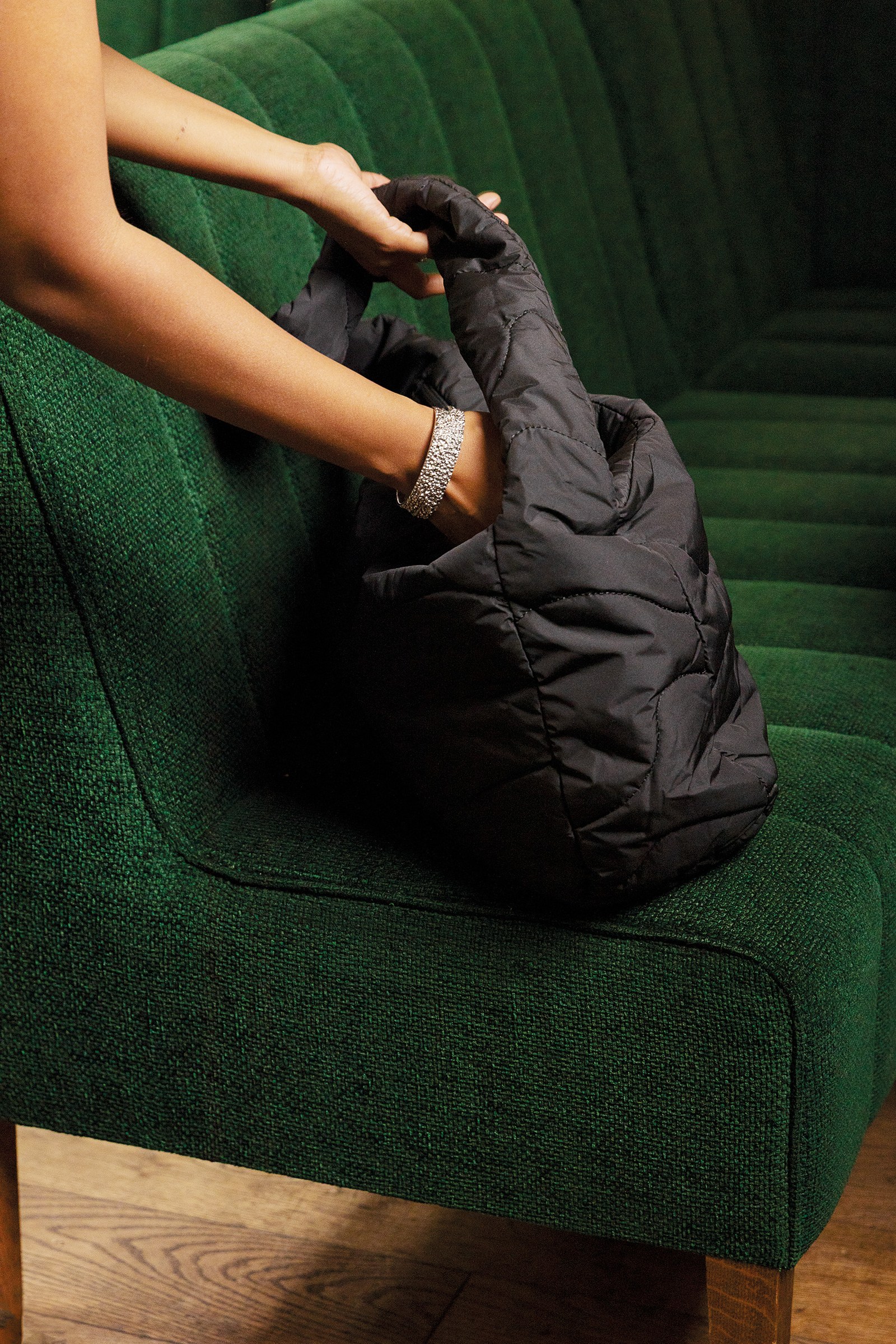
Pia AhmedLook 1: Dress &OTHER STORIES. Skirt &OTHER STORIES. Shoes VAGABOND. Jewellery PIAH Look 2: Dress MOS MOSH. Shoes VAGABOND. Bag IRIEDAILY. Jewellery PIAH Location: House of Small Wonder
Hansl ChangLook 1: Dress DIESEL. Shirt IRIEDAILY. Shoes RED WING. Jewellery INJEWELS & MODEL’S OWN Look 2: Shirt STYLIST’S OWN. Scarf, Skirt IRIEDAILY. Shoes VAGABOND. Jewellery INJEWELS & MODEL’S OWN
Raymond John PhamLook 1: Sweater, Shirt, Pants IRIEDAILY. Shoes RED WING Look 2: Scarf, Vest IRIEDAILY. Pants ARKET. Shoes VAGABOND Location: Cheeky
Published 2026