Our Editor-in-Chief Kemi Fatoba got to meet one of her heroes - the iconic photographer Carrie Mae Weems. Artist to artist, the two of them talk about Black womanhood, the language of photography and the importance of archiving.
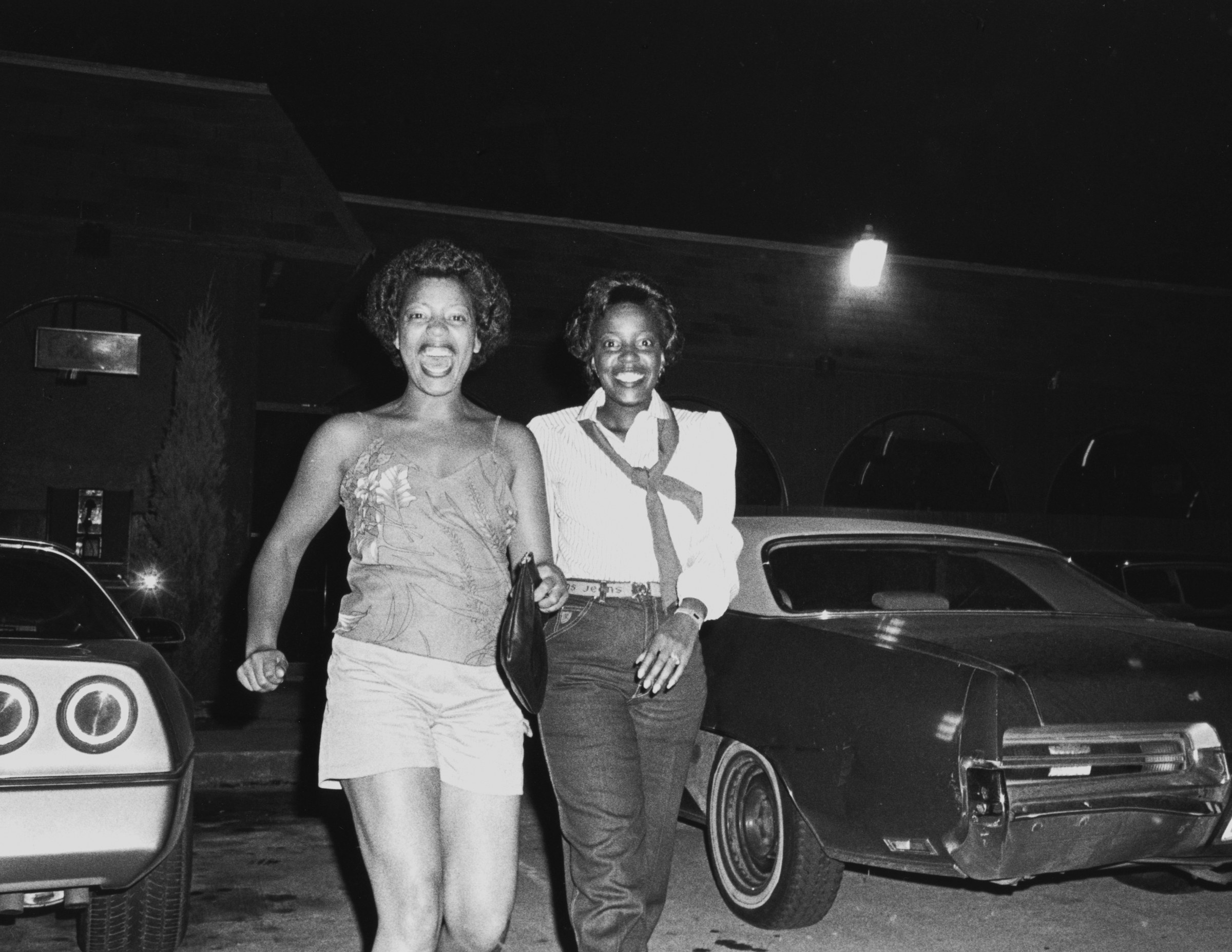
Carrie Mae Weems needs little introduction. Over a career spanning more than four decades, her work has been shown at some of the world’s most significant art institutions, including The Metropolitan Museum of Art, the Solomon R. Guggenheim Museum, the Barbican Art Gallery, Kunstmuseum Basel and V&A East, while her work forms part of the collections of institutions including MoMA and Tate Modern. Her photographs, films and installations span culture, time, ethnicity and gender and have become part of the contemporary art canon. As a Black American woman working in photography, Weems has broken barriers throughout her career and inspired generations of artists and audiences around the world. Simply put, her work matters. It tells stories that might otherwise be overlooked, erased or forgotten.
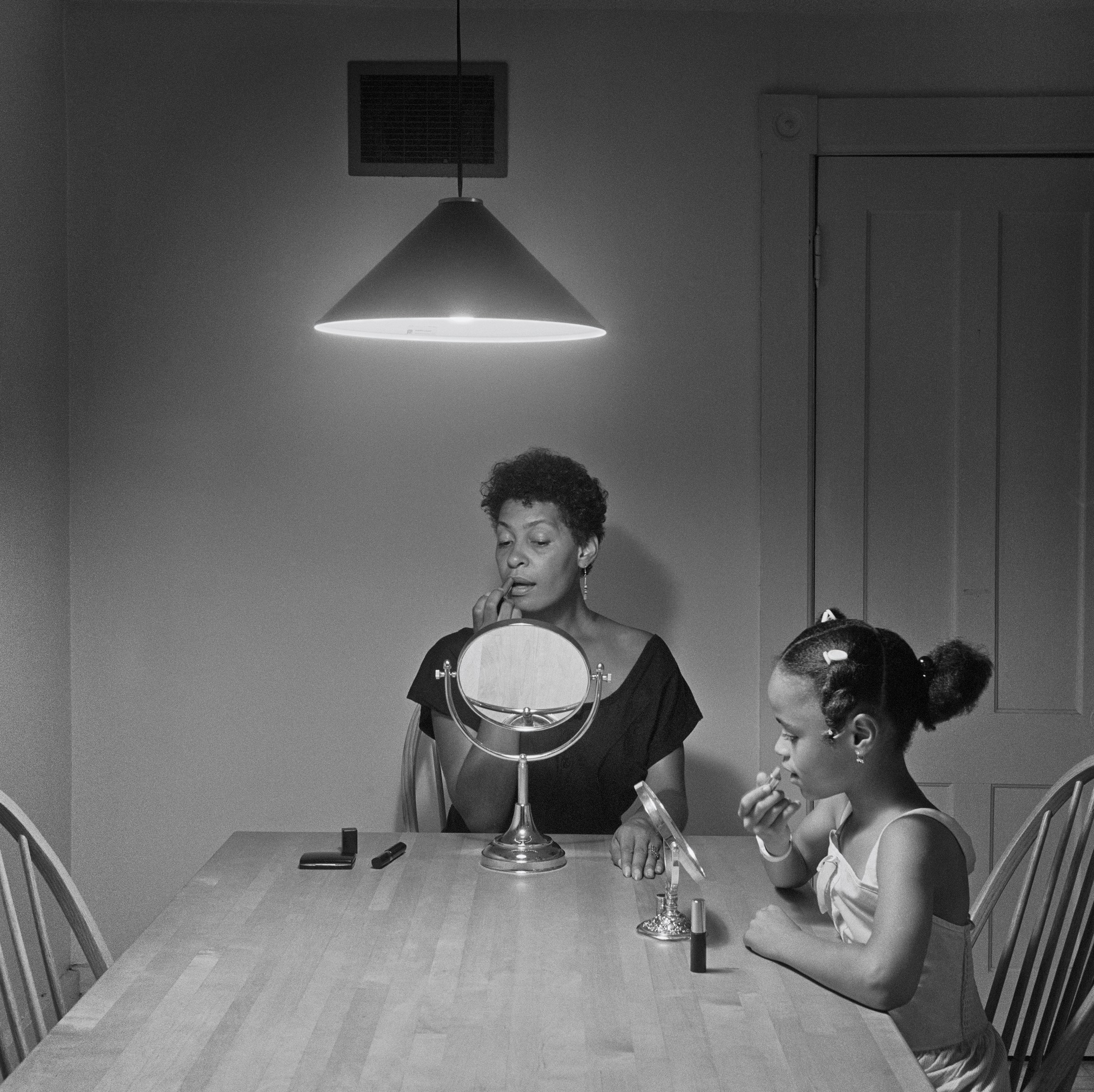
I don’t remember when or where I first encountered her Kitchen Table Series, but I remember how it made me feel. That feeling stayed with me and eventually inspired me to travel to London to see Reflections for Now at the Barbican, and more recently The Heart of the Matter at C/O Berlin. At the opening in Berlin, I had the immense pleasure of meeting Carrie Mae Weems in person, and afterwards had the chance to ask her a few questions.
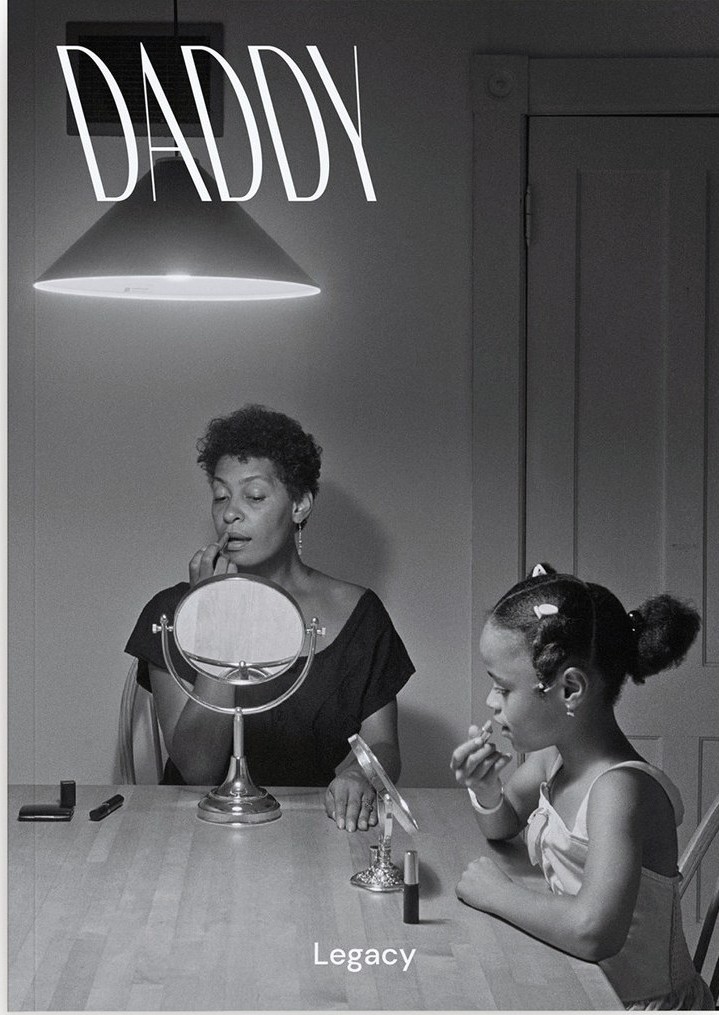
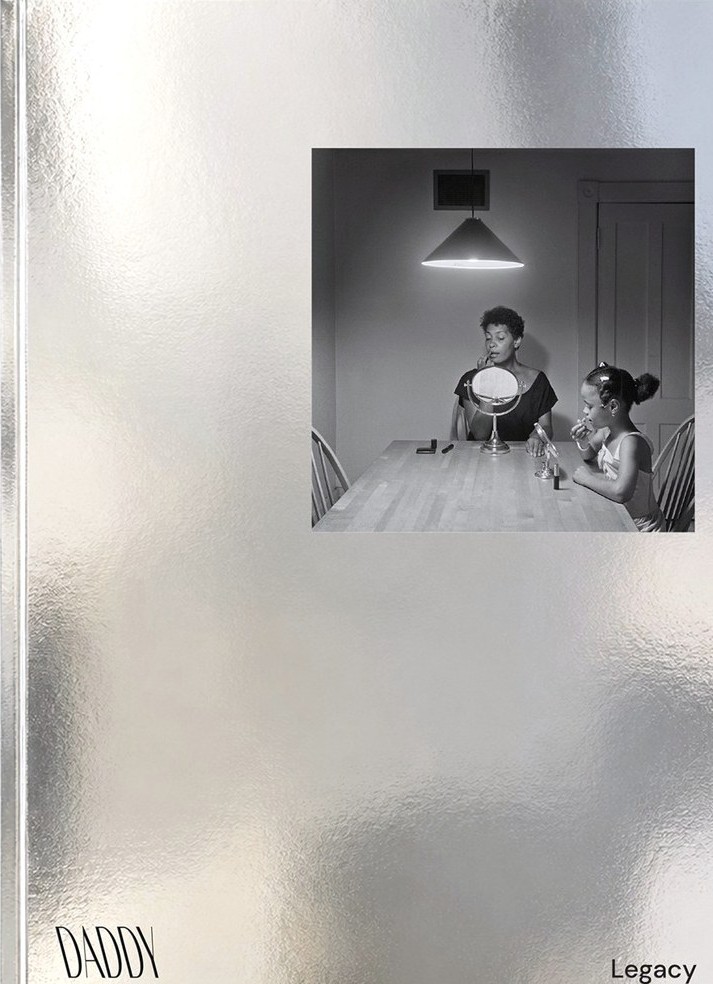
Having an image from her iconic Kitchen Table Series on the cover of Legacy means a lot to us as a team, and to me personally. Her work feels timeless and deeply connected to many of the questions DADDY has explored over the past ten years: who gets seen, whose stories are preserved, who gets to tell them, and what we leave behind.
In between meetings and preparations for 250 and Change, a travelling project bringing together the work of 50 artists to mark the 250th anniversary of the US Constitution, we sat down for a conversation. Ms Weems graciously expressed her appreciation for the work we’re doing at DADDY… a compliment I could only return.
People often say you shouldn’t meet your heroes, and I was prepared, if necessary, to separate the art from the artist. Instead, I’m happy to report that Carrie Mae Weems is every bit as iconic as her work.
You've been making work for more than 40 years. What keeps you curious?
People keep me curious, and conditions. Being engaged in life itself. After all these years, I still feel like I have so much to learn. It's that engagement with the world around me that keeps me going.
Looking back at your earlier work, do you see it differently now?
Yes, absolutely. I view my earlier work very differently now compared to when I made it. There are things I understand now that I couldn't have seen then.
Who did you imagine you were making your work for when you started? Has that changed?
I create the work first for myself – for my own understanding. But I'm interested in presenting it to people who are willing to engage in a dialogue with it. That hasn't really changed, but what has changed is the pressure I feel around it.
When I was younger, I felt a certain pressure to explain my presence and my perspective, particularly as a Black woman. I don't feel the same way now. I can leave it to the audience to determine the importance of the work within a larger social and cultural discourse.
We're excited to introduce you to our 10-year anniversary issue LEGACY, featuring a special cover collaboration with the iconic Carrie Mae Weems.